

Table of Contents
In today’s competitive manufacturing landscape, success hinges not just on innovative ideas but on how efficiently those ideas can be transformed into tangible products. Design for Manufacturing (DFM) is a strategic approach that integrates manufacturing considerations early into the product design process to optimize cost, quality, and time to market.
At Tesla Mechanical Designs, we champion DFM principles to help our clients create products that are not only functional and innovative but also cost-effective and manufacturable at scale.
What is Design for Manufacturing (DFM)?
Design for Manufacturing is the practice of designing parts, components, or products with the ease of manufacturing in mind. It involves simplifying, optimizing, and refining product designs to ensure they can be produced efficiently, with minimal waste and cost, without compromising quality or performance. DFM encourages collaboration between designers, engineers, and manufacturers from the earliest stages of development to identify and resolve potential manufacturing challenges before they escalate.
Unlike traditional design approaches that focus primarily on aesthetics or functionality, DFM aligns design decisions with manufacturing capabilities and constraints. This alignment reduces costly redesigns, shortens production lead times, and improves overall product quality.
Designing without DFM is like creating a complex part with tight tolerances, deep undercuts, and exotic materials—without considering whether standard machines, tools, or processes can produce it. The design might look perfect in CAD, but on the shop floor, it could be costly, time-consuming, or even impossible to manufacture. DFM ensures that the design aligns with real-world manufacturing methods, materials, and constraints—so production is smooth, efficient, and cost-effective from day one.
Did You Know?
70-80% of Manufacturing Costs Are Determined During Design Phase. Product design decisions determine approximately 70-80% of the total manufacturing cost, yet the design phase typically accounts for only 5% of the total product development cost.
Why is DFM Crucial?
The majority of a product’s manufacturing cost, often over 70%, is determined during the design phase. Making design changes after tooling or production has begun is exponentially more expensive and time-consuming than addressing issues early. By applying DFM principles from the outset, companies can:
- Lower production costs by minimizing complex features and optimizing material use
- Reduce waste and scrap rates through better tolerance and process selection
- Shorten time to market by avoiding manufacturing delays and rework
- Enhance product quality and consistency by designing for reliable assembly and testing
- Facilitate smoother collaboration between design and manufacturing teams
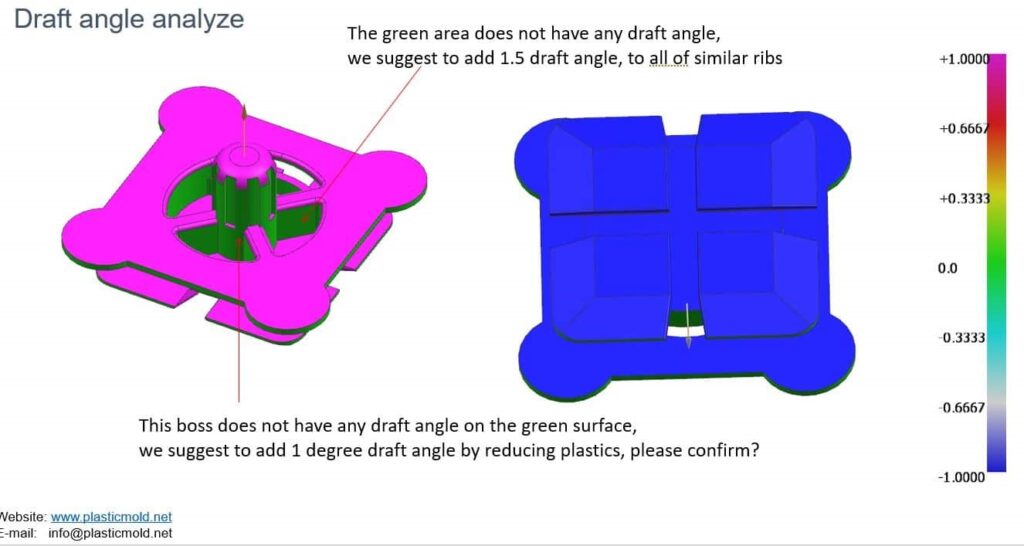
Image Source: https://www.plasticmold.net/
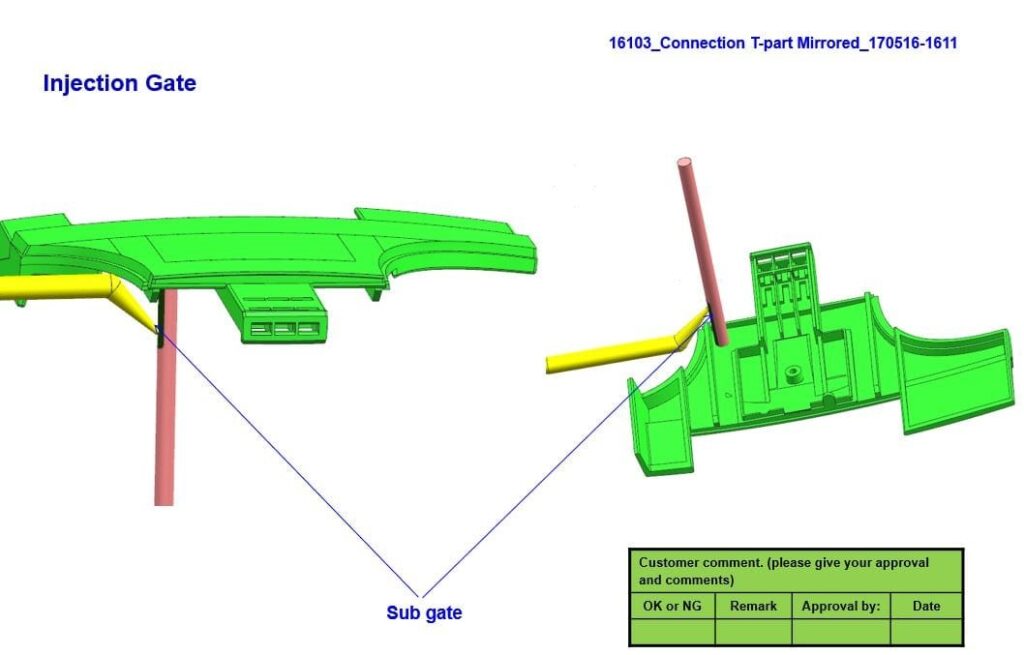
Image Source: https://www.plasticmold.net
Core Principles of Design for Manufacturing
Successful DFM rests on several foundational principles that guide designers in creating manufacturable products. These principles help balance innovation with practicality:
1. Manufacturing Process Selection
Choosing the right manufacturing process is paramount. Designers must consider factors such as production volume, material compatibility, surface finish requirements, tolerances, and post-processing needs. For example, injection molding suits high-volume plastic parts but may be cost-prohibitive for small runs, where additive manufacturing or thermoforming might be better alternatives.
Early finalization of the manufacturing process informs other design decisions, ensuring the product is optimized holistically rather than piecemeal.
2. Simplified and Functional Design
Complex designs often translate into higher manufacturing costs, longer assembly times, and increased risk of defects. DFM promotes simplicity: reducing the number of parts, avoiding unnecessary features, and designing components that are easy to handle and assemble. A simple design also facilitates maintenance and improves reliability.
3. Material Optimization
Material choice impacts cost, manufacturability, and product performance. Selecting materials that are readily available, cost-effective, and compatible with the chosen manufacturing process is essential. Designers should consider mechanical properties, thermal behavior, flammability, and environmental factors. Collaborating with manufacturers early can reveal better material options or alternatives that reduce costs without sacrificing quality.
4. Tolerance Management
Specifying tolerances that are tighter than necessary leads to increased machining time, higher scrap rates, and more expensive tooling. DFM encourages setting the loosest possible tolerances that still meet functional requirements. This approach reduces manufacturing complexity and cost while maintaining product integrity.
5. Environmental and Usage Considerations
Products must be designed to withstand their intended operating environments. For industries like automotive, aerospace, or heavy equipment, this means accounting for temperature extremes, moisture, vibration, and other harsh conditions. Designing with these factors in mind ensures durability and reliability throughout the product lifecycle.
6. Testing and Compliance
Thorough testing and adherence to industry standards are integral to DFM. Products should be designed to facilitate testing at various stages of production to catch defects early. Compliance with regulatory and internal standards ensures safety and market acceptance.
7. Collaboration and Iteration
DFM is not a one-time checklist but an iterative process involving all stakeholders: designers, engineers, manufacturers, and suppliers. Early and ongoing collaboration helps identify potential issues, share best practices, and innovate solutions that improve manufacturability and reduce costs.
Did You Know?
DFM Can Reduce Time-to-Market by 25% and Assembly Time by 40%. Companies implementing Design for Manufacturing and Assembly (DFM/A) practices achieve remarkable efficiency gains: reducing time-to-market by 25%, cutting part count by 15-20%, and trimming assembly time by up to 40%.
The Unquantifiable Benefits of DFM
Beyond the tangible benefits of reduced costs, shorter lead times, and improved quality, DFM fosters a culture of collaboration and efficiency within an organization. It encourages a holistic view of product development, where design, engineering, and manufacturing teams work in unison towards a common goal. This integrated approach leads to:
- Faster Time to Market: By addressing manufacturing challenges early, DFM minimizes costly delays and rework, accelerating product launch cycles.
- Enhanced Product Quality: Designs optimized for manufacturing are inherently less prone to defects, leading to higher quality products and fewer warranty claims.
- Increased Profitability: Lower production costs and higher quality directly translate into improved profit margins.
- Greater Innovation: When designers are empowered with manufacturing knowledge, they can push the boundaries of what’s possible while remaining grounded in practicalities, leading to truly innovative and feasible solutions.
Did You Know?
DFM Can Reduce Manufacturing and Assembly Costs by Over 50%. When applied early in the design phase, Design for Manufacturing and Assembly (DFMA) can reduce manufacturing and assembly costs by over 50%, with some companies achieving average product cost savings of 50% through product simplification strategies.
Implementing DFM at Tesla Mechanical Designs
At Tesla Mechanical Designs, we embed DFM principles into every project from concept through production. Our approach includes:
- Conducting detailed design reviews with manufacturing partners
- Evaluating multiple manufacturing processes to select the optimal one
- Simplifying designs to reduce part count and assembly complexity
- Advising on material selection based on cost, availability, and performance
- Setting realistic tolerances to balance quality and cost
- Designing for ease of testing and compliance
- Iterating designs based on prototyping and feedback to refine manufacturability
By integrating these practices, we help clients avoid costly redesigns, reduce lead times, and achieve higher product quality.
Summing Up!
Design for Manufacturing is a vital methodology that bridges the gap between design creativity and manufacturing realities. It empowers companies to produce better products faster and at lower cost by anticipating and addressing manufacturing challenges early in the design process. For businesses aiming to thrive in competitive markets, embracing DFM is not optional; it is essential.
At Tesla Mechanical Designs, we are committed to guiding you through the DFM journey, ensuring your vision becomes a manufacturable, high-quality product that meets market demands efficiently and economically.
Ready to Optimize Your Product Design?
Streamline manufacturing, cut costs, and accelerate time-to-market—partner with Tesla Mechanical Designs for expert DFM solutions. Contact us today!
Contact us today!