

Table of Contents
From machine-assisted solutions to AI-augmented designs, machine design remains a challenge as it balances performance, cost, and safety. Even experienced engineers can make mistakes that compromise reliability, efficiency, or user satisfaction. A greater awareness of behavioral tropes can enable designers to make better decisions and thereby design machines that work better, last longer, and are easier to maintain. Here are five common machine-design mistakes—and how to fix them.
Failure to Choose the Right Material

Picking the wrong material may cause early failure, too much wear, or even hazards. To make the right choice:
- Know the Application: Consider factors such as temperature, humidity, pressure, load, and stress.
- Research Material Properties: Datasheets for strength, fatigue life, corrosion resistance, etc.
- Test in Actual Conditions: If feasible, confirm material performance through actual or simulated testing.
The use of suitable materials is the key to reliable and durable machine performance.
Did You Know?
Choosing the incorrect material can significantly lower a machine’s ability and durability. For example, if you use a material that is not corrosion-resistant in a humid environment, the material can fail sooner than expected. To guarantee that designs will work in practice and will be reliable and long-lasting, mechanical engineers study factors such as strength, fatigue resistance, and corrosion resistance. Selection of the right material is critical for the safety, longevity, and efficiency of mechanical systems.(Source)
Avoiding Tolerance and Fit Issues in Machine Design
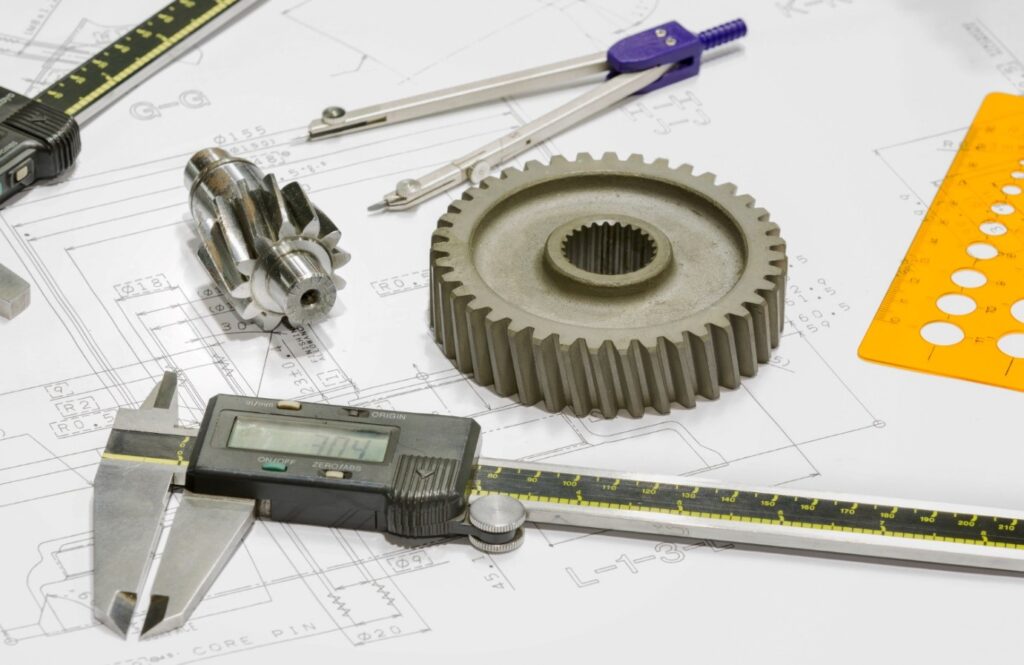
If we neglect correct tolerances and fits, it can lead to misaligned parts, unintended friction, or even functional failure.
How to Get It Right:
- Define Tolerances Functionally: Serve tolerances up depending on the part’s role and the necessary fit—loose, close, or interference—not just on the defaults.
- Conform to Standards: When providing fit specifications, ensure you refer to ISO, ANSI, or similar engineering standards to ensure the specification is accurate and consistent.
- Test before You Invest: CAD and simulation tools allow you to test assemblies before manufacturing them and catch fitment issues early on.
This means you want the things to fit together nicely without too much clearance, yet not too tight, either.
Did You Know?
In high-precision industries such as aerospace, high-precision tolerances and fits ruin assemblies more than anything else. Tolerances dictate how closely parts can stray from their perfect dimensions — if they are too loose, the pieces might bind, misalign, or rattle; if they are too tight, they might not even fit together, or they could jam while running. Tolerances are defined/controlled by international standards such as ISO, ASME, etc., which directly influence product quality and manufacturing cost. Proper tolerance design is essential for achieving zero-defect manufacturing and reliable operation. (Source)
The Trap of Underestimating Loads and Stresses

An inaccurate calculation of loads and stresses may cause deformations, fatigue, or even catastrophic failures in specific components.
How to Avoid This Mistake:
- Assess All Load Conditions: Ensure that you assess both static and dynamic loads as well as impact loads and cyclic loads that the machine will be required to withstand in the field.
- Safety Factor Usage: Use proper safety factors based on material properties and usage conditions.
- Utilize Simulation and FEA: Employ software simulating techniques like Finite Element Analysis (FEA) to observe stress distribution and identify potential weak points.
The load analysis is critical to guarantee the durability, safety, and proper functioning of the machines.
Did You Know?
Much of mechanical failure results from underestimating real-life loads and stresses. Modern engineering employs simulation tools such as Finite Element Analysis (FEA) to predict how components participate under static and dynamic loads and fatigue due to cyclical use. Correct load assessment and application of safety factors are critical to avoid catastrophic failures and achieve long-term durability. (Source)
Don’t Make the Mistake of Taking Maintainability for Granted
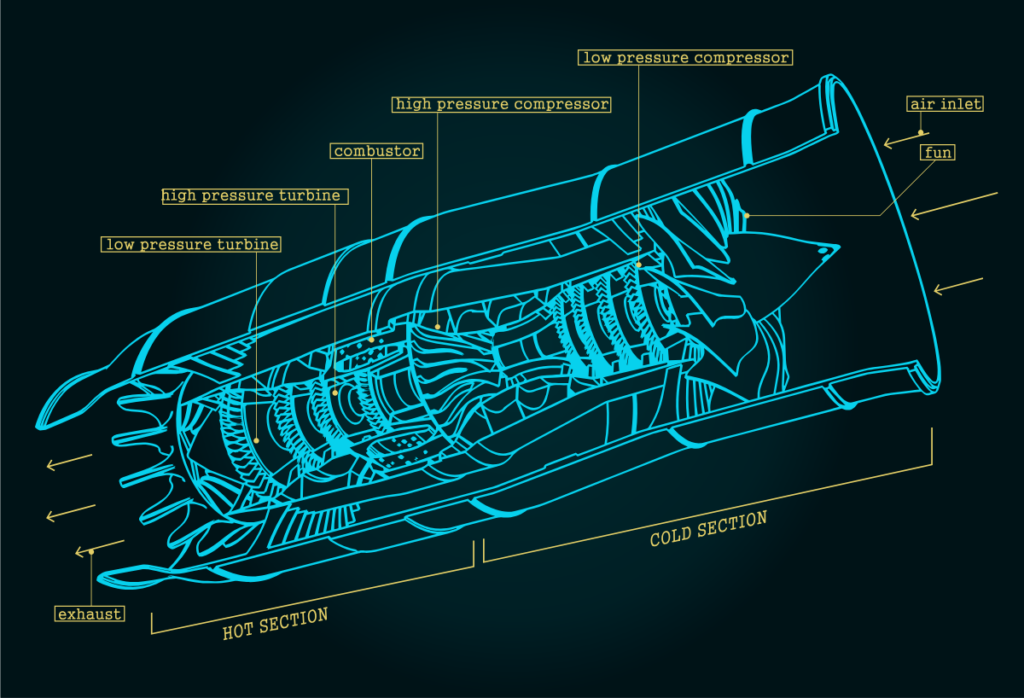
It’s important to have a machine that runs well, but it’s also critical to have a machine that’s easy to maintain. Poor maintainability can result in extended downtime, escalating costs, and dissatisfied users.
How to Avoid This Mistake:
- Design for Disassembly: Break down objects into parts with quick-release fasteners, modular components, and clear labeling for easy access and servicing.
- Wear Planning: Use wear parts that are easily replaceable. Do not use permanent joints unless required.
- Include Clear Documentation: Maintenance guides, blown diagrams, and troubleshooting steps that are easy to follow.
Good design is not just about function; it also ensures that the process runs smoothly throughout the machine’s life cycle.
Did You Know?
Some industries can reap lifecycle cost reductions of up to 70% when designing for maintainability. Maintainability is a design characteristic that impacts how accessible a machine is for servicing, repairing, or upgrading. Modular components, easy-to-access fasteners , and accurate documentation all lead to reduced downtime, extended equipment life, and increased user satisfaction. System availability and reliability are the result of proactive maintenance design. (Source)
Don’t Emphasize Function over Safety in Machine Design

A powerful machine is worth little if it endangers users. Ignoring safety can lead to severe accidents, legal implications, and erosion of trust.
How to Avoid This Mistake:
- Design for Safety: No waits from design for safety — include elements such as emergency stops, interlocks, guards, and barriers immediately.
- Comply with Standards: Abide by relevant regulations (e.g., ISO 12100, OSHA, local safety codes, etc.).
- Early Assessment of Risks: Assessing risks at the design stage can be used to eliminate/mitigate hazards proactively.
Safety isn’t something you dabble in; it’s a fundamentally responsible part of engineering.
Did You Know?
Neglecting safety during design can also injure people badly, lead to legal issues, and cause a loss of goodwill. There are rigorous standards that govern safety engineering, such as OSHA regulations and ISO 12100, which necessitate the incorporation of elements like emergency stops, interlocks, and physical guards. Because most robot-related accidents take place during non-routine tasks, such as maintenance, the early design stages need to focus on safety as a built-in feature. Putting safety first is not only right; it is a legal and professional duty. (Source)
Conclusion
Building machines is more than just making things work. It requires a wise choice of materials, precise tolerances, accurate loads, maintenance considerations, and, above all, a safety-first approach. This strictly prevents the company from incurring costs, downtime, risks, etc., in the future as none of these above mistakes would need to be repeated, ensuring product quality & performance. Adopting a careful and disciplined design philosophy lays the groundwork for machines that are stable, reliable, and equipped to handle real-world challenges.
Ready to Elevate Your Next Project?
Tesla Mechanical Designs ensure the robust performance, inherent safety, and maintainability of Machine designs. We’ll help you create better, smarter, and safer machines—designed for tomorrow.
Talk to Experts