

Table of Contents
In today’s fast-paced industrial landscape, the pressure to innovate, optimize production, and stay ahead of competitors is greater than ever. While off-the-shelf machines offer quick solutions, they often come with limitations that can hinder growth and efficiency. This is where custom machine design steps in as a strategic investment, enabling businesses to address unique challenges, maximize productivity, and future-proof their operations.
In this blog, we’ll explore what custom machine design entails, highlight its advantages, and help you determine if it’s the right move for your business.

Image Source: https://www.machinedesign.com/
What is Custom Machine Design?
Custom machine design involves the engineering and manufacturing of equipment tailored to your specific processes, workflows, and output requirements. Unlike generic machines designed for mass use, custom solutions are purpose-built—ensuring seamless performance, greater reliability, and a true operational fit.
Key steps in custom machine design:

- Requirement Analysis – Understanding your unique process goals and pain points
- Concept Development – Ideating solutions with sketches, models, or simulations
- Detailed Engineering – CAD designs, part selection, controls integration
- Prototyping & Testing – Validating the design in real-world conditions
- Implementation & Support – Manufacturing, installation, and training

Custom vs. Standard Machines: What’s the Difference?
| Feature | Standard Machine | Custom Machine |
| Design | Mass-produced, generic | Engineered to meet specific needs |
| Flexibility | Limited | Highly adaptable and upgradable |
| Integration | May require costly modification | Designed to fit existing systems |
| Cost | Lower initial cost | Higher ROI in the long term |
| Scalability | Fixed | Easily scalable |
| Innovation Potential | Limited | High—enables proprietary solutions |

Image Source: https://www.pimechmfg.com/
The Advantages of Custom Machine Design
1. Tailored Solutions for Unique Needs
Every business has its own set of challenges. Custom machines are designed to address these directly, ensuring a perfect fit for your workflow, space, and operational requirements. This leads to more efficient processes and better outcomes.
2. Enhanced Productivity and Efficiency
Custom machines are optimized for your specific production goals. They can automate repetitive tasks, reduce manual intervention, and streamline operations, resulting in higher throughput, less downtime, and improved overall efficiency.
3. Cost Optimization and Waste Reduction
While custom machines may require a higher initial investment, they often pay for themselves through reduced waste, lower energy consumption, and minimized material handling. By targeting inefficiencies and designing out unnecessary steps, custom solutions can dramatically lower operational costs.
4. Seamless Integration with Existing Systems
A major advantage of custom design is the ability to integrate new machinery with your current equipment, software, and workflows. This reduces the risk of compatibility issues and ensures a smoother transition during upgrades or expansions.
5. Ease of Maintenance and Upgrades
Since every detail of a custom machine is documented and understood by your engineering team, maintenance becomes simpler and faster. Spare parts can be sourced or fabricated easily, and future upgrades or modifications are more straightforward.
6. Future-Proofing and Scalability
Custom machines can be designed with scalability in mind, allowing for easy adaptation to changing production volumes or new product lines. This flexibility is invaluable in industries where technology and market demands evolve rapidly.
7. Superior Quality Control
With a custom machine, you have greater oversight over every component and process, enabling stricter quality control and higher reliability. This translates to fewer defects, consistent output, and improved customer satisfaction.
8. Competitive Differentiation and Innovation
Custom machinery empowers your business to innovate—whether it’s by introducing a proprietary process, increasing automation, or enabling the production of unique products. This can provide a significant edge in crowded markets.
9. Intellectual Property and Patent Opportunities
Developing a unique machine or process can open the door to patents, giving your company exclusive rights to valuable technology and further strengthening your market position.
Did You Know?
Over 70% of the global machining market now relies on custom machining, enabling manufacturers to produce parts that are unavailable elsewhere and to rapidly respond to production challenges.
When Should You Choose a Custom Machine?
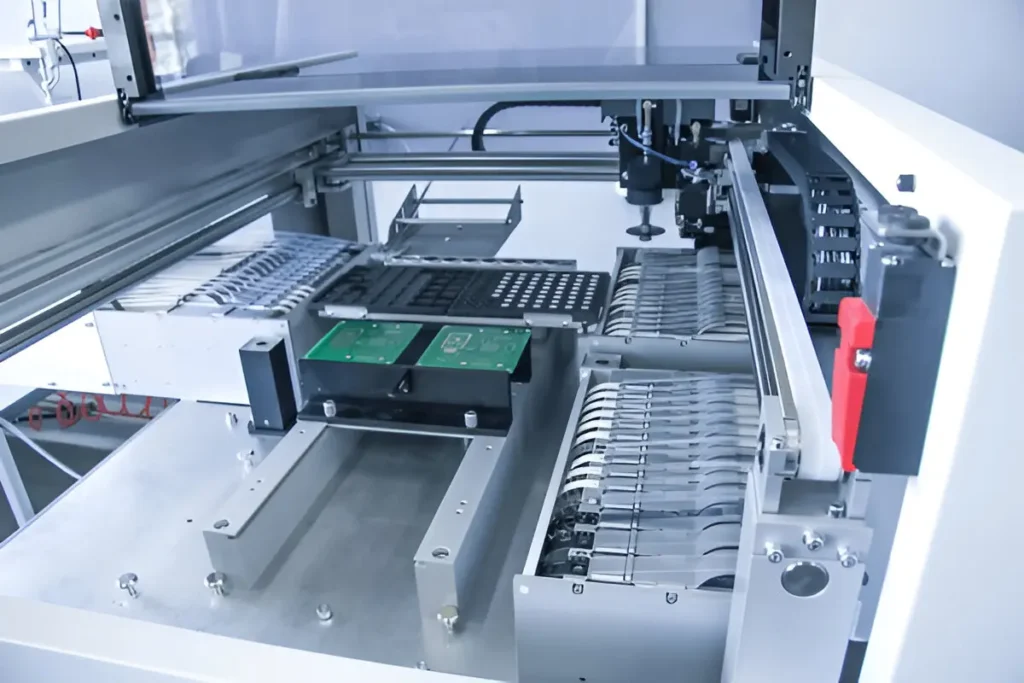
While custom machines offer significant benefits, they’re not always the right choice. Consider a custom solution if:
- Your production needs are highly specific or cannot be met by standard machines.
- You require integration with proprietary or legacy systems.
- You are scaling or automating niche process.
- Long-term operational efficiency outweighs short-term savings.
- You are developing a new product or manufacturing method.
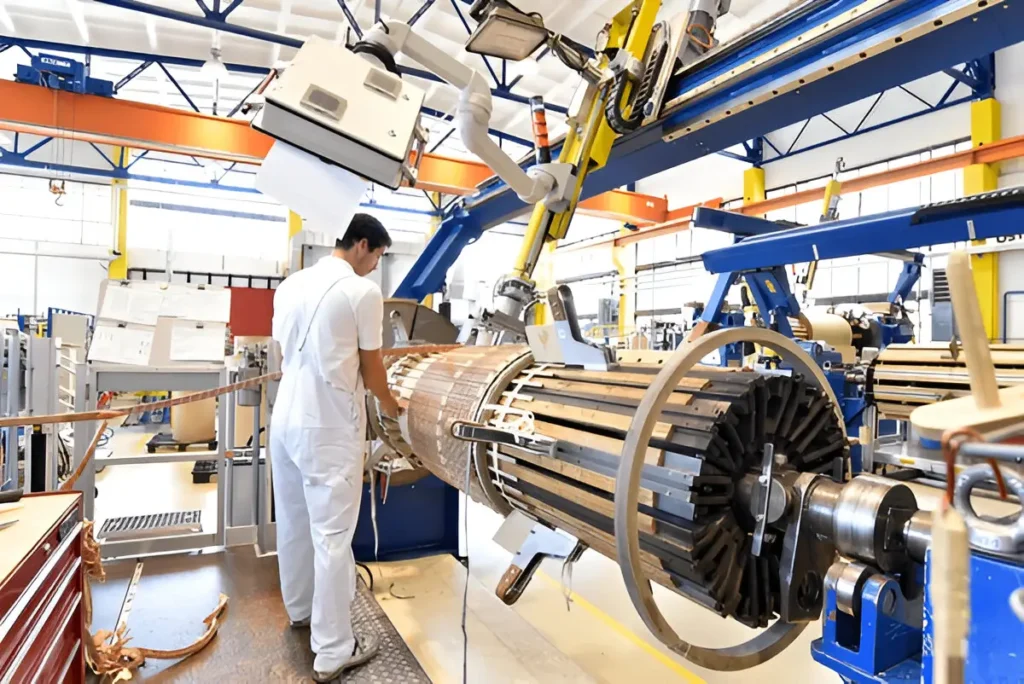
The Custom Machine Design Process: What to Expect
- Consultation and Needs Assessment: Collaborate with engineers to define your goals, challenges, and requirements.
- Concept Development: Engineers propose creative solutions and develop initial models.
- Detailed Design and Engineering: Technical drawings, simulations, and component selection are finalized.
- Prototyping and Testing: A prototype is built and rigorously tested to ensure it meets all criteria.
- Production and Implementation: The final machine is manufactured, installed, and integrated into your operations.
- Training and Support: Your team is trained on operation and maintenance, and ongoing support is provided.
Pro Tip!
Adopting a parallel workflow—where design and manufacturing stages overlap—can significantly accelerate custom machine development and reduce time-to-market (TTM).
Is Custom Machine Design Worth the Investment?
Absolutely—when aligned with your business’s strategic objectives. The upfront investment is often offset by long-term gains in productivity, quality, and adaptability. Custom machines can transform your operations, making your business more agile, efficient, and competitive.
Did You Know?
Custom machines designed with scalability in mind can be easily adapted for new products or increased production, making them a future-proof investment for growing businesses.
Conclusion
Opting for a custom machine design is a strategic decision that can unlock new levels of efficiency, innovation, and market leadership. By investing in solutions tailored to your unique needs, you position your business for sustainable growth and success in a rapidly changing world. If you’re facing production challenges that off-the-shelf machines can’t solve, or if you’re ready to take your operations to the next level, custom machine design could be the key to your future success.
Pro Tip!
For more resources and support on manufacturing innovation, visit ASME’s Manufacturing Engineering Division.
FAQs: Custom Machine Design
How long does it take to develop a custom machine?
Timelines vary depending on complexity, but the process typically ranges from a few months to a year, including consultation, design, prototyping, and implementation.
Are custom machines more expensive than standard ones?
While initial costs are higher, custom machines often deliver better ROI through increased efficiency, reduced waste, and lower maintenance costs over time.
Can custom machines be upgraded or modified later?
Yes. Custom machines are designed with flexibility in mind, making future upgrades or modifications much easier than with standard machines.
What industries benefit most from custom machine design?
Industries with specialized production needs—such as automotive, pharmaceuticals, food processing, packaging, and electronics—often see the greatest benefits, but any sector with unique challenges can gain from a custom approach.
Ready to transform your production with a custom machine? Contact us today to discuss your project and see how we can deliver a tailored design solution for your business.
Contact Us