
Table of Contents
The global network of pipelines that transport hydrocarbons from wellheads to refineries and processing facilities forms the critical backbone of the oil and gas industry. At the heart of this vast infrastructure lies an often-overlooked discipline that ensures everything flows safely and efficiently: piping design. This specialized engineering field combines technical expertise, regulatory knowledge, and cutting-edge technology to create the lifelines of our energy systems.
Ensuring Safety and Reliability in the Oil and Gas Sector
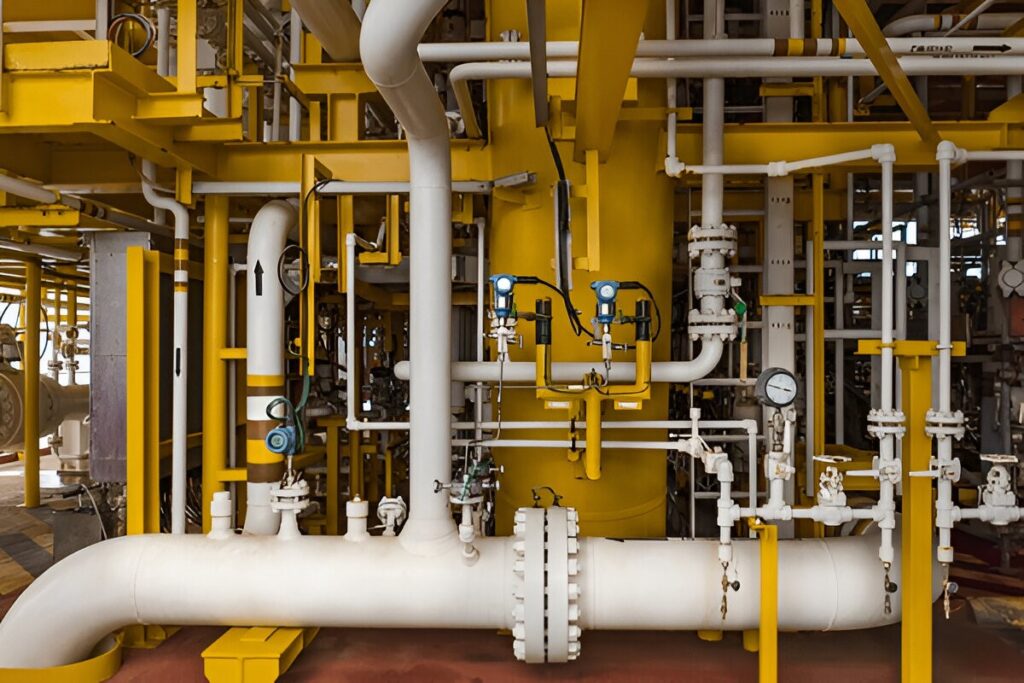
In the oil and gas industry, where the risk of leaks, fires, and explosions is significant, safety is paramount. Key factors such as material strength, temperature resistance, and pressure ratings must be carefully evaluated during pipeline design to ensure reliable performance under extreme operating conditions.
Compliance with industry standards—such as those set by the American Petroleum Institute (API) and the American Society of Mechanical Engineers (ASME)—is essential to meet regulatory and safety requirements. Skilled engineers use advanced analysis tools to detect potential weaknesses and integrate critical safety components like expansion joints, pressure relief valves, and secure connections.
Prioritizing safety at the design stage not only protects personnel and equipment but also prevents costly incidents and safeguards the environment from hazardous spills.
What Does Piping Design Actually Involve?
Piping design is far from a simple technical exercise. It represents a comprehensive process that unfolds through several critical stages:
Did You Know?
The oil and gas industry’s pipelines often operate under extreme conditions-some systems handle pressures exceeding 10,000 psi and temperatures ranging from cryogenic levels to over 1000°F, requiring highly specialized materials and design solutions.
Conceptual Design Phase
The journey begins with conceptual design, where piping engineers establish the overall layout and routing strategy. This initial phase requires consideration of numerous factors:
- Geographic locations of wellheads, processing facilities, and storage tanks
- Terrain variations and environmental conditions
- Accessibility for construction and maintenance
- Regulatory requirements and right-of-way constraints
- Cost optimization opportunities
During this phase, piping design engineers apply their expertise to create optimized routes that balance safety, efficiency, accessibility, and economic factors. The decisions made at this stage have far-reaching implications for the entire project lifecycle.
Detailed Engineering Phase
Once the conceptual design receives approval, the process advances to detailed engineering. This intensive phase transforms general concepts into precise technical specifications through:
- Creation of comprehensive piping models and drawings
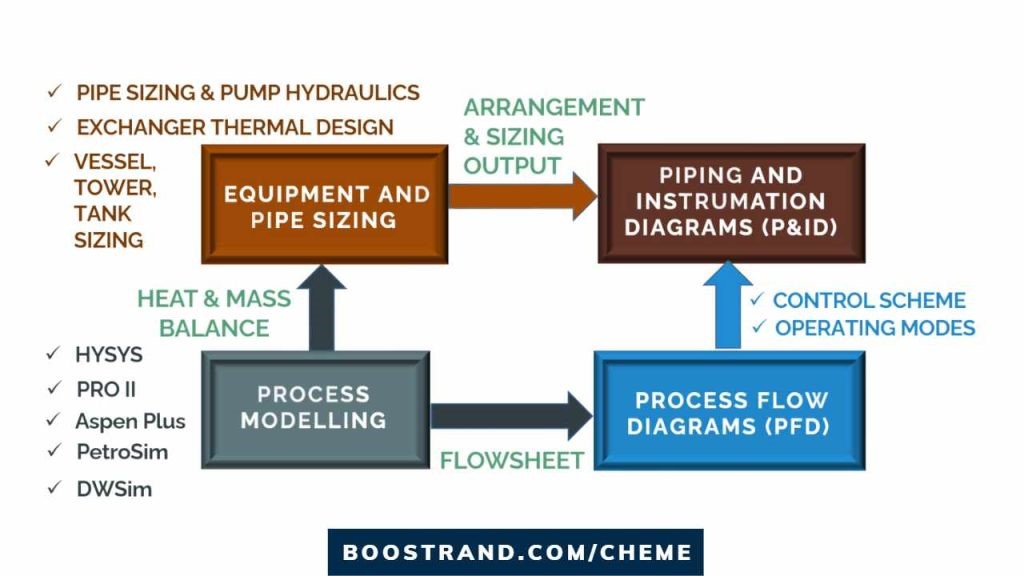
- Development of detailed piping and instrumentation diagrams (P&IDs)
- Specification of all system components (pipes, valves, flanges, supports)
- Stress analysis and materials selection
- Integration with other disciplines (structural, electrical, instrumentation)
The detailed engineering phase produces the exact blueprints that guide fabrication and construction teams. The accuracy and completeness of this work directly impacts the feasibility of construction and the long-term performance of the system.
The Essential Role of Piping Design Engineers
Piping design engineers bring specialized knowledge that few other professionals possess. Their expertise spans multiple domains:
- Materials science for selecting appropriate pipe materials and coatings
- Fluid dynamics for calculating flow rates, pressure drops, and system capacities
- Structural engineering for designing supports and addressing thermal expansion
- Regulatory compliance to meet industry standards (ASME, API, etc.)
- Construction methodologies to ensure practical buildability
Throughout the design process, these engineers collaborate extensively with professionals from other disciplines. They work closely with process engineers to understand fluid characteristics, with structural engineers to coordinate support systems, and with materials specialists to address corrosion challenges. This cross-functional collaboration ensures the piping system integrates seamlessly with all other aspects of the facility.
Digital Twin Integration
The concept of digital twins—virtual replicas of physical assets—is transforming how piping systems are designed, built, and maintained. These comprehensive digital models incorporate:
- Real-time operational data
- Maintenance history
- Performance analytics
- Predictive maintenance capabilities
By integrating piping design into digital twin frameworks, companies can optimize operations, predict failures before they occur, and extend the useful life of critical infrastructure.
Did You Know?
Digital twins-virtual replicas of physical piping systems-are revolutionizing the industry by enabling real-time monitoring, predictive maintenance, and performance optimization, ultimately extending the lifespan of critical infrastructure.
The Components That Make It Possible
Behind every successful piping system lies a carefully selected array of components, each serving specific functions within the overall design:
- Pipes: Available in various materials (carbon steel, stainless steel, alloy steel) and configurations (seamless, welded) to match specific operating conditions
- Fittings: Including elbows, tees, and reducers that create direction changes and connections
- Valves: Controlling flow, pressure, and providing isolation capabilities
- Flanges: Creating removable connections for maintenance access
- Supports: Bearing the weight and accommodating movement within the system
- Expansion joints: Allowing for thermal expansion and contraction
- Instrumentation: Monitoring critical parameters for safe operation
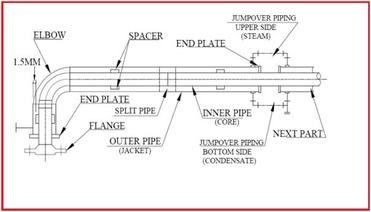
The selection of these components requires deep technical knowledge, as each choice influences system performance, safety, and longevity.
Challenges in Oil and Gas Piping Design
Piping design engineers face numerous challenges unique to the oil and gas industry:
Extreme Operating Conditions
Oil and gas systems often operate under extreme conditions, including:
- High pressures exceeding 10,000 psi in some applications
- Temperatures ranging from cryogenic to over 1000°F
- Corrosive environments with hydrogen sulfide, carbon dioxide, and salt water
These conditions demand specialized design approaches and material selections.
Regulatory Compliance
The industry operates under stringent regulations that vary by region and application. Piping design must comply with multiple standards:
- ASME B31.3 for process piping
- ASME B31.4 for liquid transportation systems
- ASME B31.8 for gas transmission systems
- Regional environmental and safety regulations
Remote Locations and Challenging Environments
Many oil and gas facilities operate in remote or offshore locations, presenting unique challenges:
- Limited construction access
- Extreme weather conditions
- Seismic considerations
- Subsea requirements
Piping design for these environments requires additional expertise and specialized solutions.
Conclusion: The Future of Piping Design
Piping design remains indispensable to the oil and gas industry, serving as the critical link between extraction, processing, and distribution. As energy systems evolve to address climate challenges, the expertise of piping design engineers will continue to be in high demand across traditional hydrocarbons and emerging energy sectors.
The future of piping design will likely be characterized by:
- Increased digitalization and automation
- Greater emphasis on sustainability metrics
- Cross-disciplinary integration
- Advanced materials development
- Enhanced life-cycle considerations
By staying at the forefront of technological advancements and industry best practices, piping design engineers will continue to play a pivotal role in shaping the future of global energy systems—ensuring they operate safely, efficiently, and sustainably in a rapidly changing world.
Ready to explore how advanced piping design can transform your next oil and gas project?
Connect with our expert team today to ensure your systems are safe, efficient, and future-ready!
Contact UsFrequently Asked Questions
What is the difference between oil and gas pipelines?
Oil pipelines primarily transport crude oil and refined petroleum products, while gas pipelines transport natural gas and sometimes other gases like hydrogen or carbon dioxide. Oil pipelines typically operate at lower pressures than gas pipelines due to differences in fluid properties and safety considerations.
Which pipe types are commonly used in the oil and gas industry?
The industry uses various pipe types including carbon steel, stainless steel, and alloy steel pipes. The selection depends on factors such as fluid properties, operating conditions, corrosion resistance requirements, and budget constraints. Both seamless and welded pipes are employed based on specific project requirements.
What challenges do engineers face in piping design for oil and gas projects?
Challenges include accommodating complex layouts, managing high pressures and temperatures, addressing corrosion and erosion concerns, and ensuring compliance with diverse international and local regulations.
What are the key components of oil and gas piping systems?
These systems typically include pipes, fittings (elbows, tees, reducers), valves, flanges, supports, expansion joints, and instrumentation for monitoring and control. Each component plays a specific role in ensuring the safe and efficient operation of the overall system.