

Table of Contents
In the world of product development, the journey from a concept to a tangible, market-ready product is fraught with challenges. Designers come up with innovative solutions, but transforming those ideas into manufacturable components requires precision, technical expertise, and a deep understanding of engineering principles. Here, mechanical drafting services play a pivotal role – by translating abstract design concepts into details, actional manufacturing plans, these act as the critical link between creativity and production.
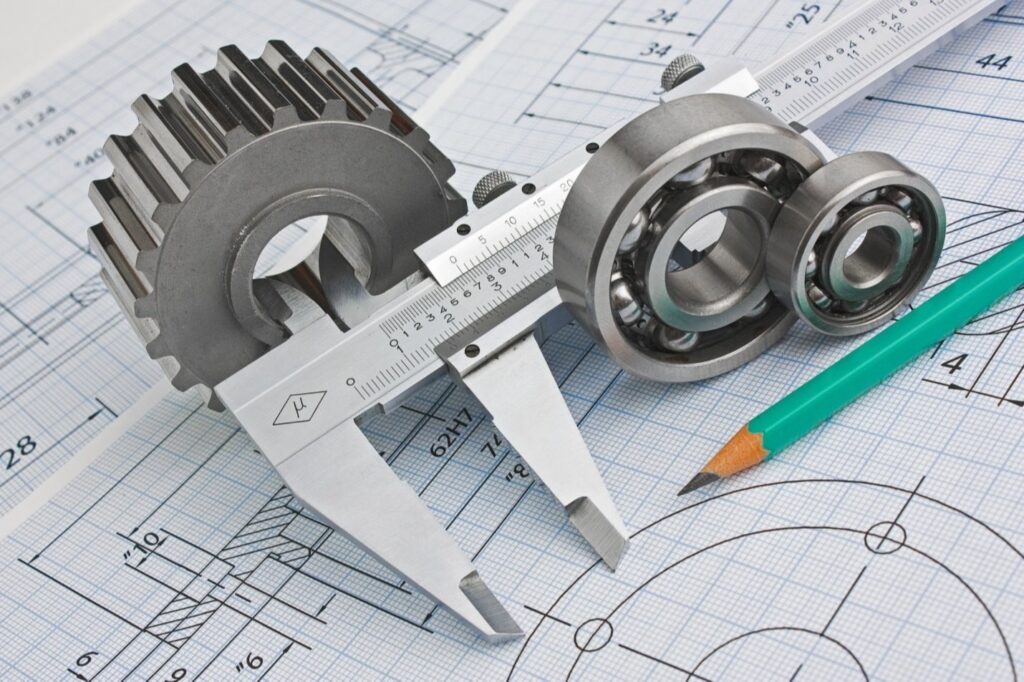
According to the IBISWorld report (2023), the global mechanical drafting services market is expected to grow at 5.8% CAGR from 2023 to 2030, driven by demand in automotive, aerospace, and industrial sectors. In this article, we shall explore how mechanical drafting ensures product quality, consistency, and manufacturing – while bridging the gap between design and manufacturing.
The Role of Mechanical Drafting in Translating Concepts
Mechanical drafting is the process of creating technical drawings, schematics. These drawings serve as the universal language between designers, engineers, and manufacturers. Drafters use computer-aided design (CAD) software to convert conceptual models and rough sketches into precise blueprints – outlining dimensions, materials, tolerances, and assembly instructions.
For instance, a designer may conceptualize a complex gear mechanism for an industrial machine. However, without accurate dimensions, material specifications, and tolerance guidelines, a reliable production of the component isn’t possible.
Did You Know?
The Grand View Research (2023) stated that the global CAD software market is projected to reach $16.6 billion by 2028, growing at a CAGR of 6.3%.
Mechanical drafters can analyse the design intent, identify functional requirements, and create drawings that adhere to industry standards – like ANSI, ISO, and so on – ensuring that every curve, hole, and surface finish is meticulously documented. This eliminates ambiguity and enables seamless communication across teams.
Ensuring Manufacturability Through Expertise
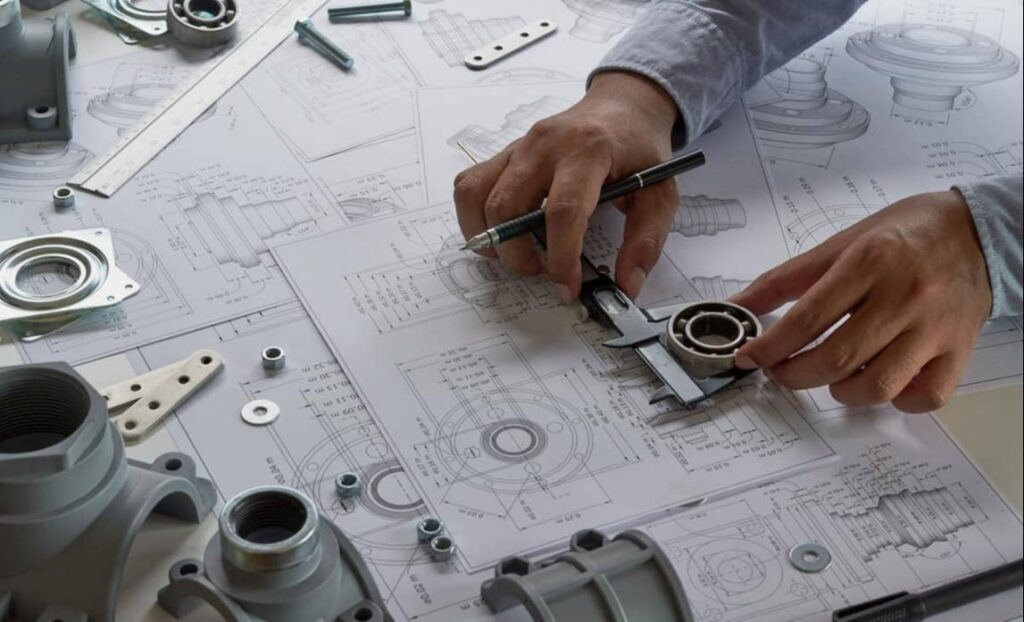
One of the most significant challenges in product development is making sure that the design is not only innovative – it is manufacturable. A brilliant concept may fail if it cannot be produced efficiently or cost-effectively. Mechanical drafting services address this by incorporating ‘Design for Manufacturing’ – DFM principles – into their workflows.
Experienced drafters evaluate the designs for potential production issues – such as overly complex geometries, impractical tolerances, or incompatible materials. For example, a part designed with sharp internal corners might be difficult to machine, leading to increased costs or tooling failures. Drafters may also suggest design modifications, such as adding fillets or adjusting wall thicknesses – to simplify the manufacturing without compromising on functionality.
Designers also collaborate with manufacturers to select the appropriate processes – whether it is CNC machining, injection moulding, or additive manufacturing – and thus optimise the designs. By balancing creativity with practicality, mechanical drafting services ensure that the designs transition smoothly from the drawing board to the factory floor.
Quality and Consistency: The Backbone of Production
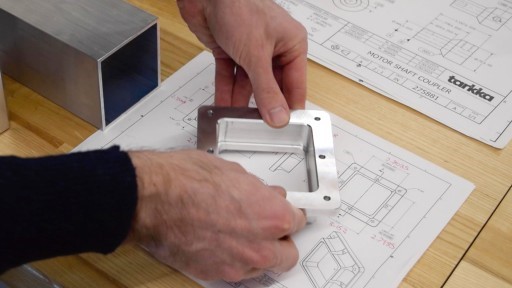
Incomplete and inconsistent documentation is a leading cause of defects, delays, and cost overruns in manufacturing. Mechanical drafting mitigates these risks – with standardized, detailed plans that leave little room for interpretation. Each dimension, note, and symbol in a technical drawing is deliberate – guiding manufacturers to replicate components with precision.
CAD models further enhance quality control by enabling virtual simulations and clash detection. For example, drafters can simulate the assemble of parts in a digital environment to identify interferences or misalignments before physical prototyping begins – this provocative approach reduces the need for costly revisions and accelerates time-to-market.
The Role of Technology in Modern Drafting
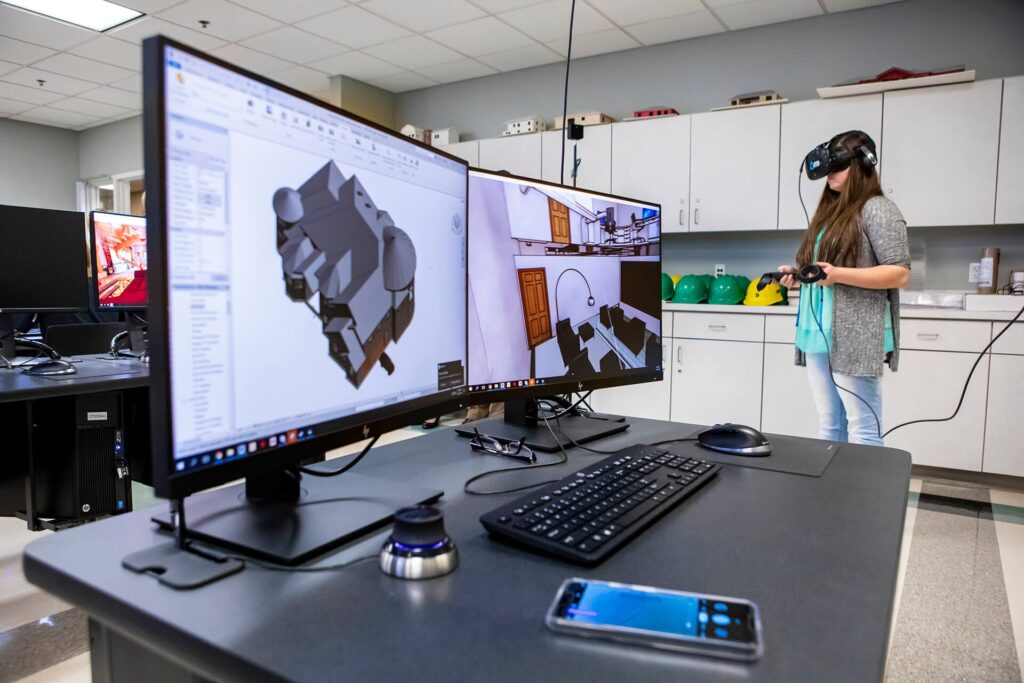
Source: https://programs.otc.edu/drafting-and-design-technology/
Cloud platforms enhance collaboration – by allowing designers, drafters, and manufacturers to review and annotate drawings in real time – regardless of geographic location. Additionally, technologies like generative design and AI-driven drafting assist in optimizing geometries for weight reduction, material efficiency, and strength.
Did You Know?
AI-driven generative design tools which are integrated with CAD software, according to Autodesk (2023), reduce material usage by 25%, while improving component strength by 40%.
Despite these innovations, the human element remains irreplaceable – skilled drafters combine technical knowledge with problem-solving acumen to interpret design intent and anticipate production challenges.
Case Study: From Concept to Consumer
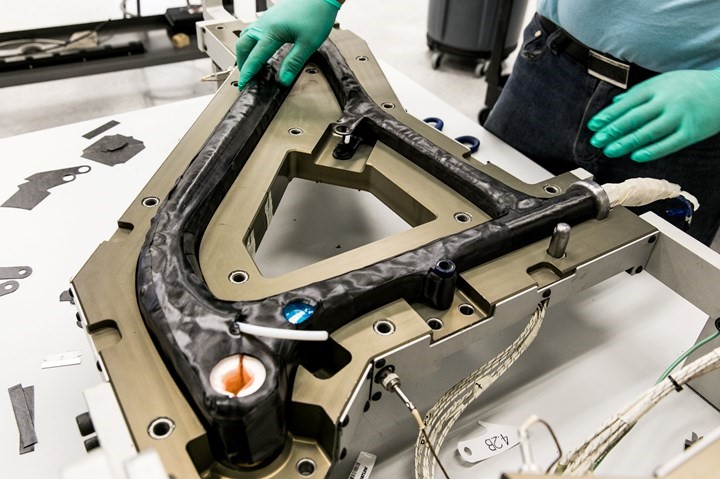
Source: https://www.compositesworld.com/articles/cycling-forward-with-bike-frame-materials-and-processes
Consider the example – development of a high-performance bicycle frame. The designer envisions an aerodynamic, lightweight structure using advanced composites. Mechanical drafters then step in to create 3D models that define tube geometries, joint reinforcements, and the layering sequences for carbon fibre. They collaborate with manufacturers to ensure that the design aligns with mould-making capabilities and the curing processes.
Prototypes are tested, and drafting teams then refine the drawings based on feedback – adjusting tolerances for welding points, optimizing the frame’s load distribution. The result – a manufacturable design that retains the original vision while meeting rigorous quality standards.
Wrapping Up
Mechanical drafting services are the unsung heroes of product development – transforming visionary ideas into blueprints that drive efficient & reliable manufacturing. By merging design creativity with engineering rigor, drafters ensure that products are not only innovative but also practical, cost-effective, and consistent.
In an era where speed-to-market and quality are paramount, these services are indispensable in bridging the gap between design and manufacturing. As technology continues to evolve, the role of mechanical drafters will remain central to turning concepts into reality – one precise line at a time.
Ready to turn your ideas into manufacturable products?
Contact us today to discuss your mechanical drafting needs and get expert guidance on your project!
Contact UsFrequently Asked Questions (FAQs)
These FAQs highlight the critical role of mechanical drafting in aligning creativity with practicality, ensuring that designs are not only visionary but also viable for real-world production.
How does mechanical drafting improve manufacturability?
Drafters incorporate Design for Manufacturing (DFM) principles to identify and resolve potential production challenges, such as complex geometries or impractical tolerances. By optimizing designs for specific manufacturing processes (for example, CNC machining, injection moulding), they reduce costs, minimize waste, and ensure components can be produce efficiently without compromising on functionality.
How do drafting services ensure product quality and consistency?
By providing standardized, detailed documentation – including tolerances, material grades, and surface finishes – drafting services eliminate ambiguity. Virtual simulations and digital prototypes allow for pre-production testing, identifying issues like part misalignments. Consistent specifications across batches ensure every unit meets the same performance and safety standards.
What are the software tools used in mechanical drafting?
Professional drafters use CAD (Computer-Aided Design) software like AutoCAD, SolidWorks, and Autodesk Inventor to create 2D drawings and 3D models. These tools integrate with CAM (Computer-Aided Manufacturing) systems and simulation software to validate designs, detect clashes, and generate toolpaths for machinery, streamlining the transition from design to production.
Can’t the designers handle the drafting themselves?
While designers focus on innovation and aesthetics, mechanical drafters specialize in technical precision and manufacturability. Drafters possess expertise in engineering standards, material properties, and production processes – ensuring that the designs are translated into error-free, production-ready plans. This division of labour enhances the firms’ efficiency and reduces the risk of oversights.