





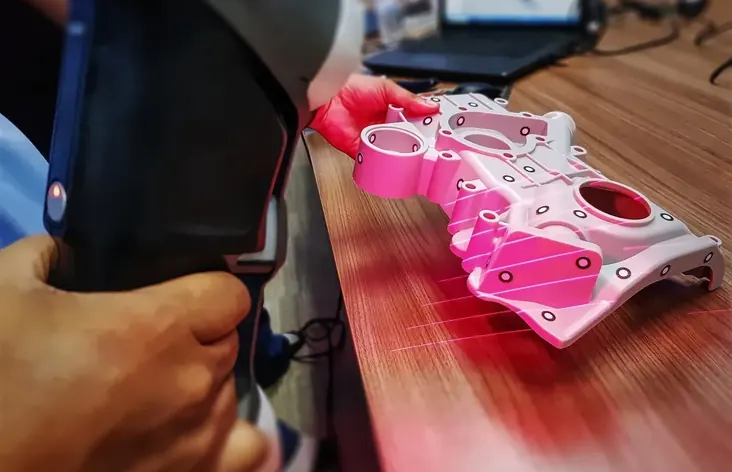
Scan to CAD Modeling
Scans, point clouds and mesh data converted into editable, manufacturing-ready CAD.
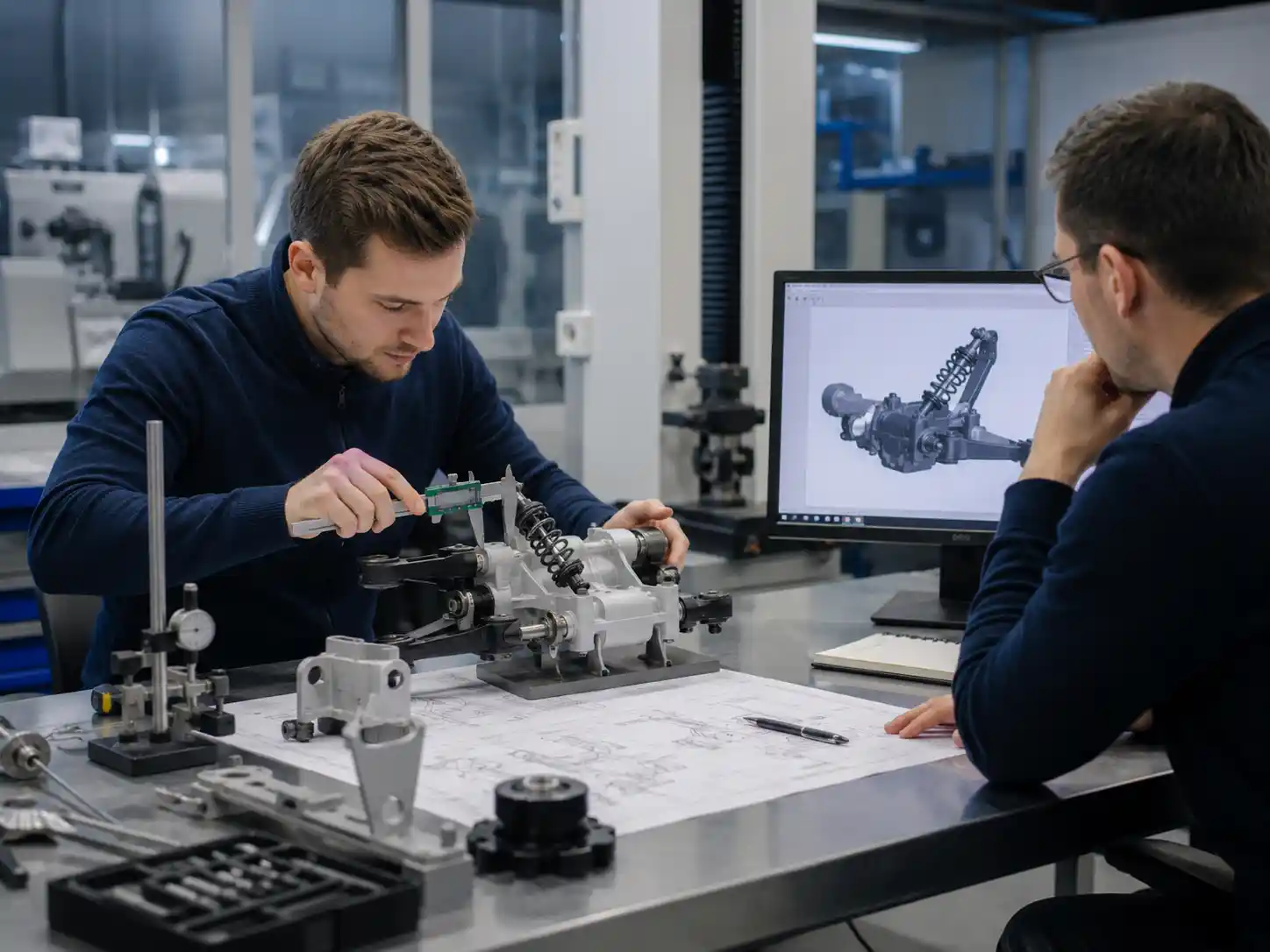
Rapid prototyping is more than producing a physical model. It is a critical engineering process that supports design validation, functional testing, manufacturability assessment, and informed decision-making throughout the product development lifecycle.
A prototype should answer important engineering questions, such as:
By addressing these questions early, organizations can significantly reduce redesign costs, minimize production delays, and improve overall product quality.
Our engineers work alongside product designers, startups, OEMs, industrial manufacturers, and R&D teams to ensure every prototype contributes meaningful engineering value rather than serving solely as a visual representation.
Today's product development environment is more competitive than ever. Businesses are expected to innovate faster, reduce development costs, and deliver higher-quality products within increasingly compressed timelines.
Traditional manufacturing methods often require expensive tooling, lengthy setup times, and significant investment before a single part can be evaluated. If design issues are discovered after tooling has been produced, correcting those issues can be both time-consuming and costly.
Rapid prototyping fundamentally changes this process.
Instead of waiting weeks or months to validate a design, engineers can quickly manufacture physical prototypes, evaluate performance, identify design improvements, and iterate with confidence.
Reduce product development time
Minimize engineering risk
Accelerate innovation
Reduce overall product development costs
Improve product reliability
Increase confidence before market launch
Optimize products through iterative testing
Validate designs before investing in production tooling
Improve communication between design and manufacturing teams
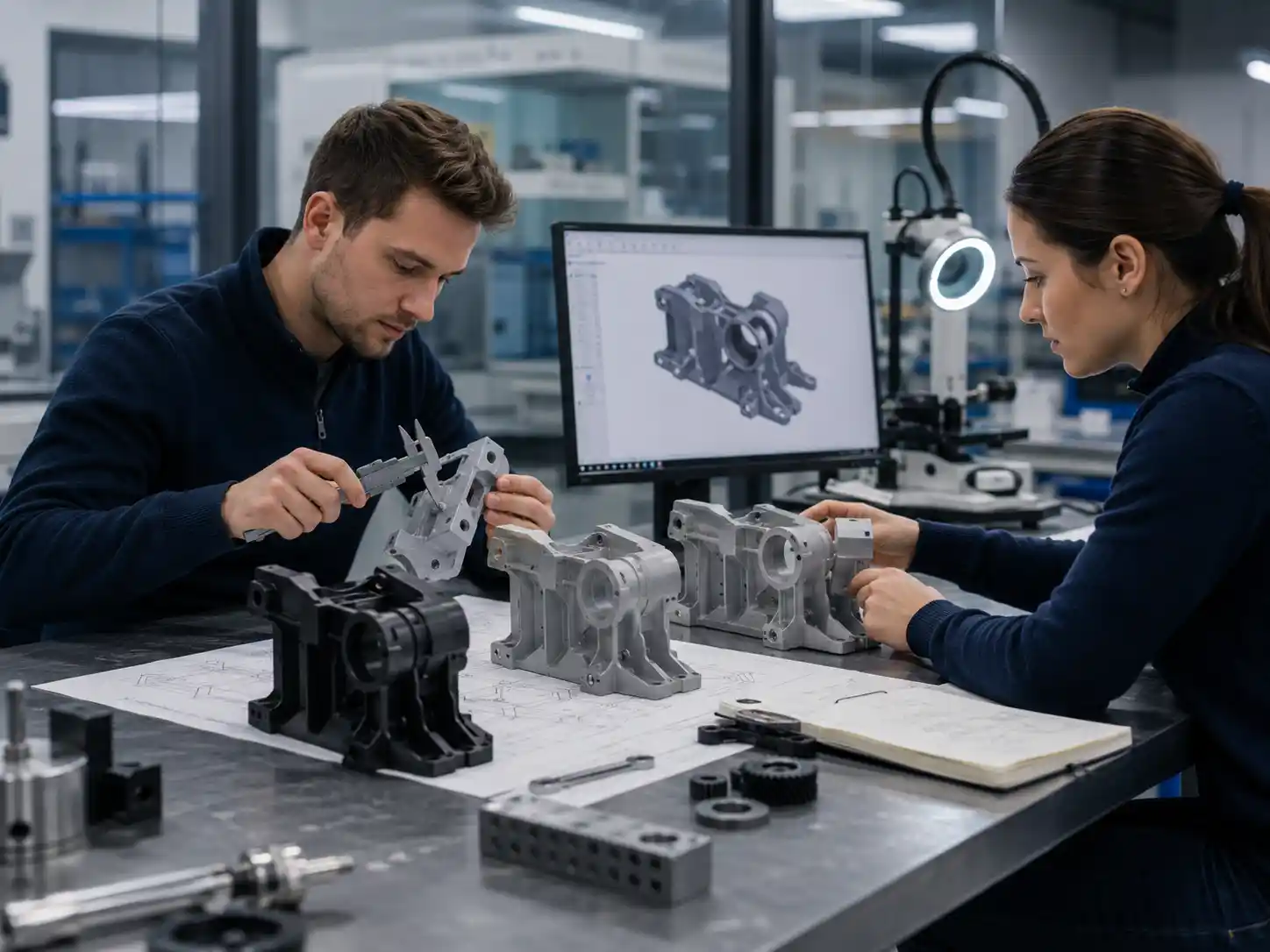
As manufacturing technologies continue to advance, rapid prototyping has evolved from a simple visualization tool into an integral part of modern engineering and product development.
Rapid prototyping refers to a collection of manufacturing technologies used to quickly produce physical representations of digital designs. These prototypes may range from simple conceptual models to highly functional components capable of undergoing mechanical testing, assembly verification, and production validation.
The objective of rapid prototyping is not merely speed—it is to enable informed engineering decisions before committing to large-scale manufacturing.
Depending on the application, prototypes may be used to evaluate:
Rapid prototyping provides engineering teams with measurable insights that improve product quality while reducing uncertainty throughout the development process.
One of the most common misconceptions is that rapid prototyping simply means 3D printing.
While additive manufacturing has transformed prototype production, it represents only one part of the rapid prototyping ecosystem.
Different engineering objectives require different manufacturing technologies.
Selecting an inappropriate manufacturing process can produce misleading test results, increase project costs, or create unnecessary design revisions.
For this reason, Tesla Mechanical Designs evaluates each project individually rather than applying a one-size-fits-all manufacturing solution.
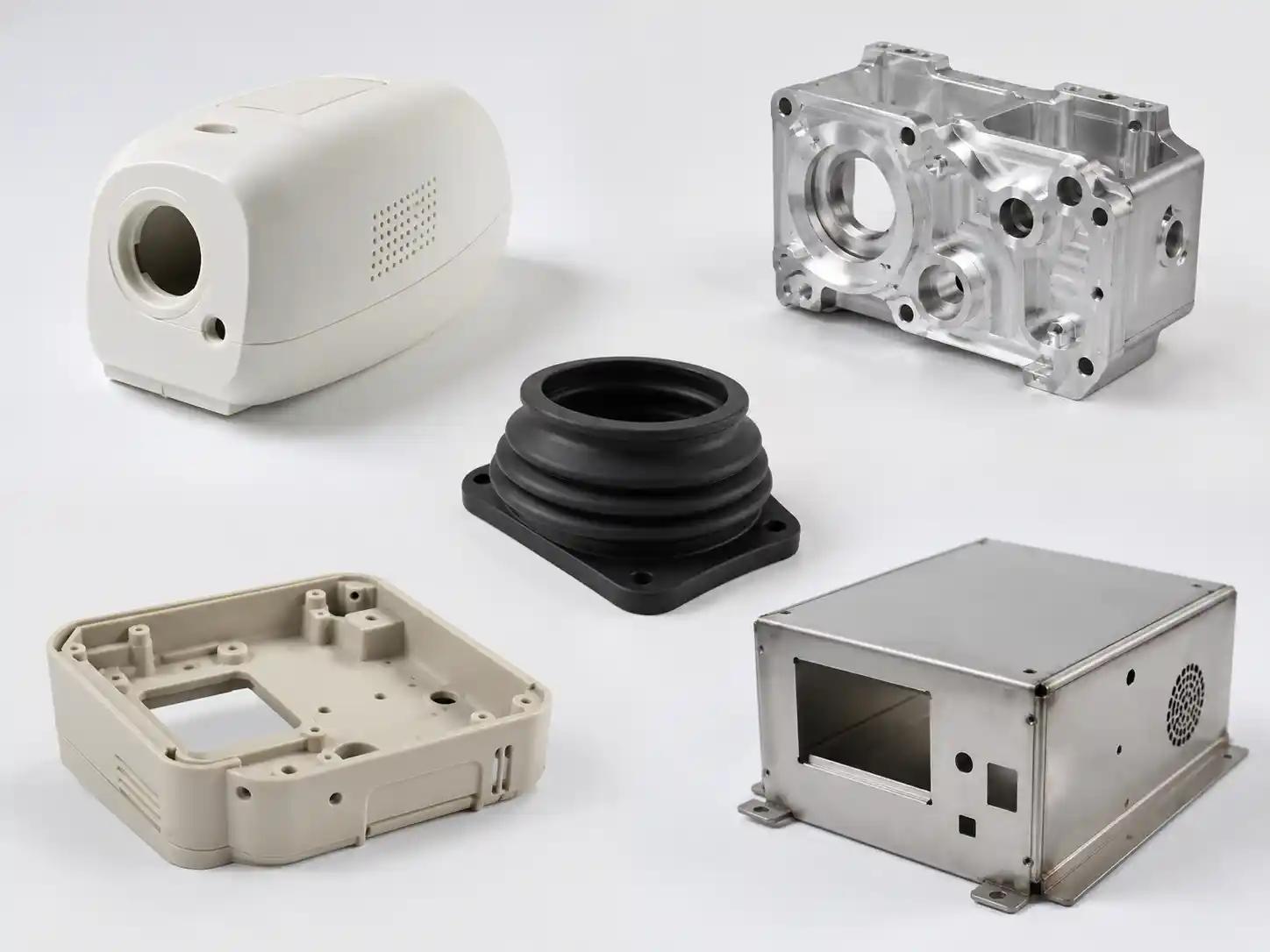
Every prototype begins with engineering—not manufacturing.
Before recommending a production method, our engineers perform a comprehensive technical review of your design to understand both its immediate requirements and its long-term manufacturing objectives.
Our evaluation typically includes:
By incorporating engineering analysis before manufacturing begins, we help clients avoid costly downstream modifications and improve the likelihood of successful product launches.
Rapid prototyping provides value at every stage of product development—not just at the beginning.
Transform sketches and CAD models into physical products that improve design communication and accelerate decision-making.
Iteratively improve geometry, ergonomics, manufacturability, and performance through repeated testing and refinement.
Evaluate mechanical performance, fit, functionality, thermal behavior, and assembly characteristics before production.
Present high-quality prototypes during investor meetings, customer presentations, trade exhibitions, and product launches.
Manufacture low-volume components that support field testing, market validation, and early customer adoption.
Use validated prototype data to support tooling decisions, production planning, supplier selection, and manufacturing optimization.
Choosing a rapid prototyping partner is about far more than turnaround time.
Organizations need an engineering team capable of understanding design intent, anticipating manufacturing challenges, and delivering prototypes that provide meaningful technical insight.
Tesla Mechanical Designs combines mechanical engineering expertise with practical manufacturing knowledge to help organizations make better engineering decisions throughout the product development process.
Our focus is not simply producing parts quickly—it is enabling better products through smarter engineering.
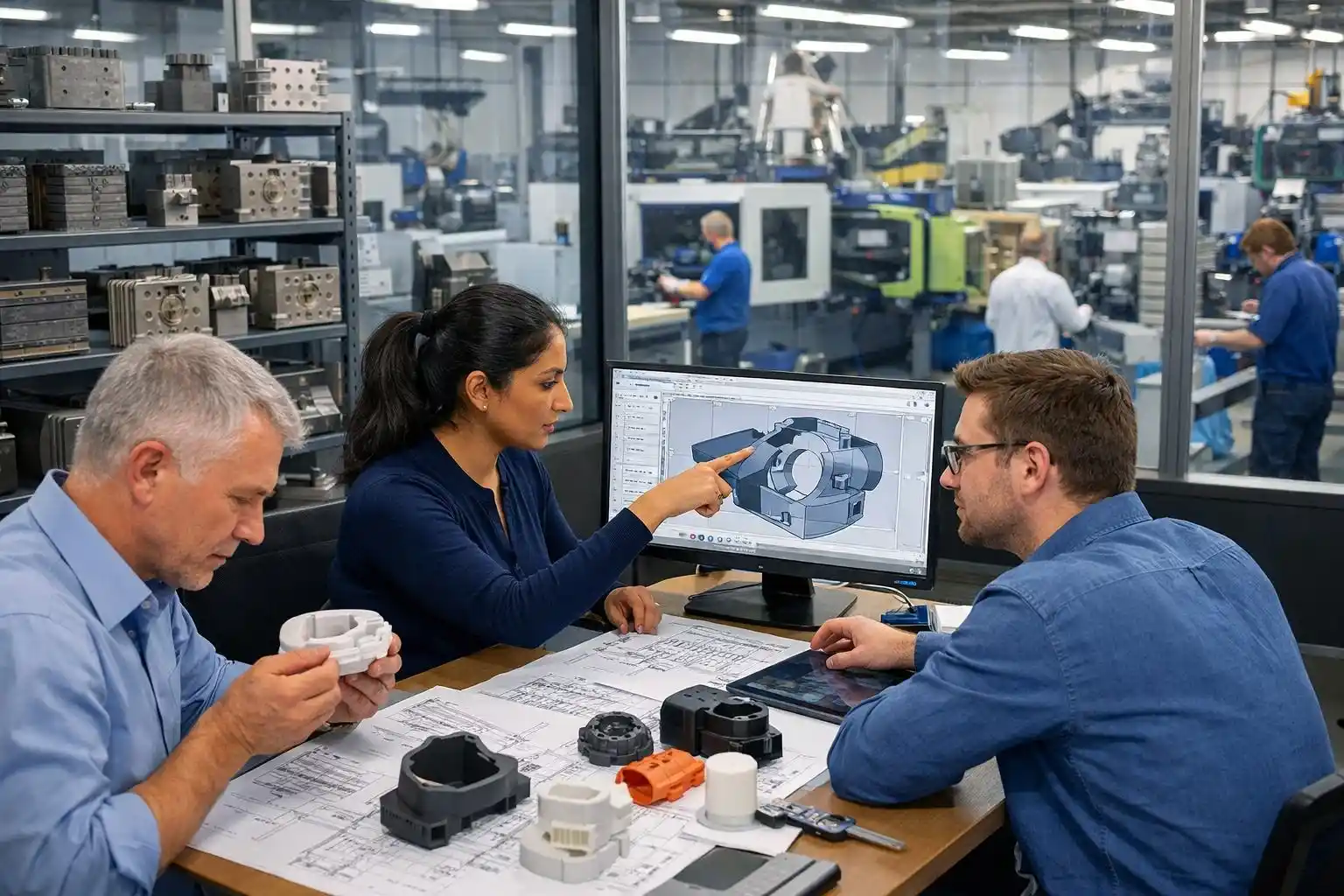
Scans, point clouds and mesh data converted into editable, manufacturing-ready CAD.
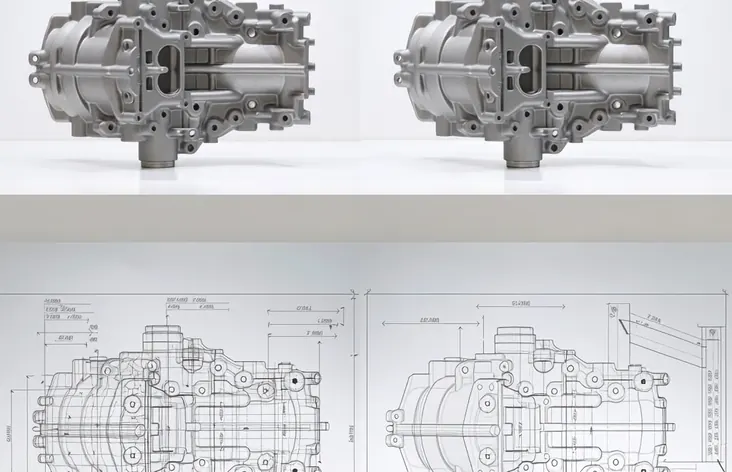
PDFs, scans, 2D drawings and legacy CAD files converted into editable CAD.
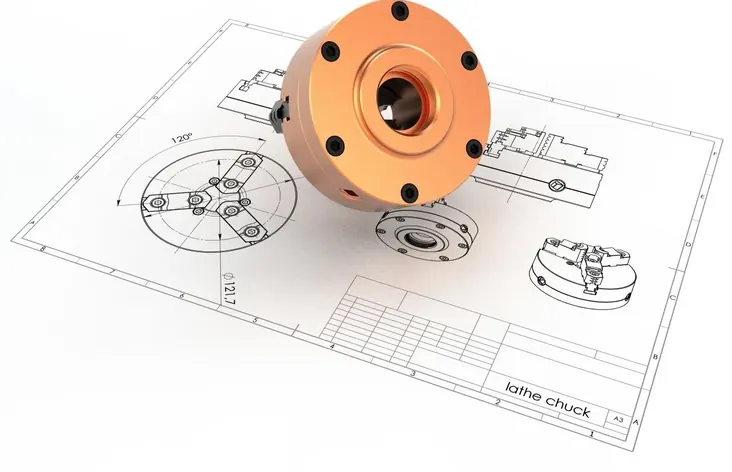
3D CAD models for individual components, replacement parts and machined parts.
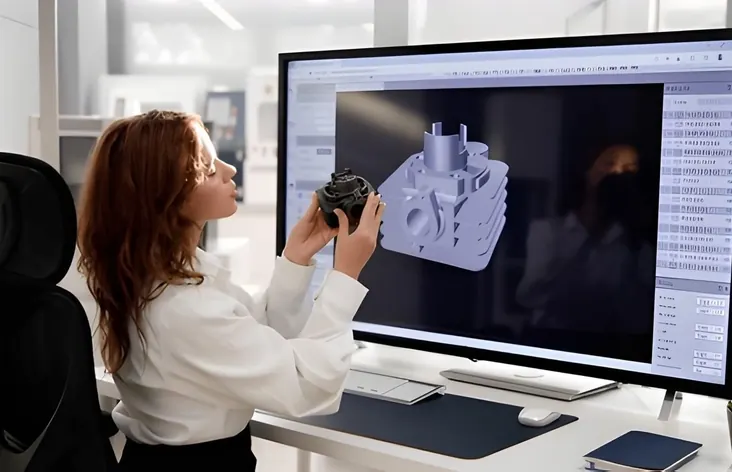
Concepts, sketches, 2D drawings and specifications turned into manufacturing-ready 3D CAD.
Laser cutting, bending, welding, stamping and assembly, from design through delivery.